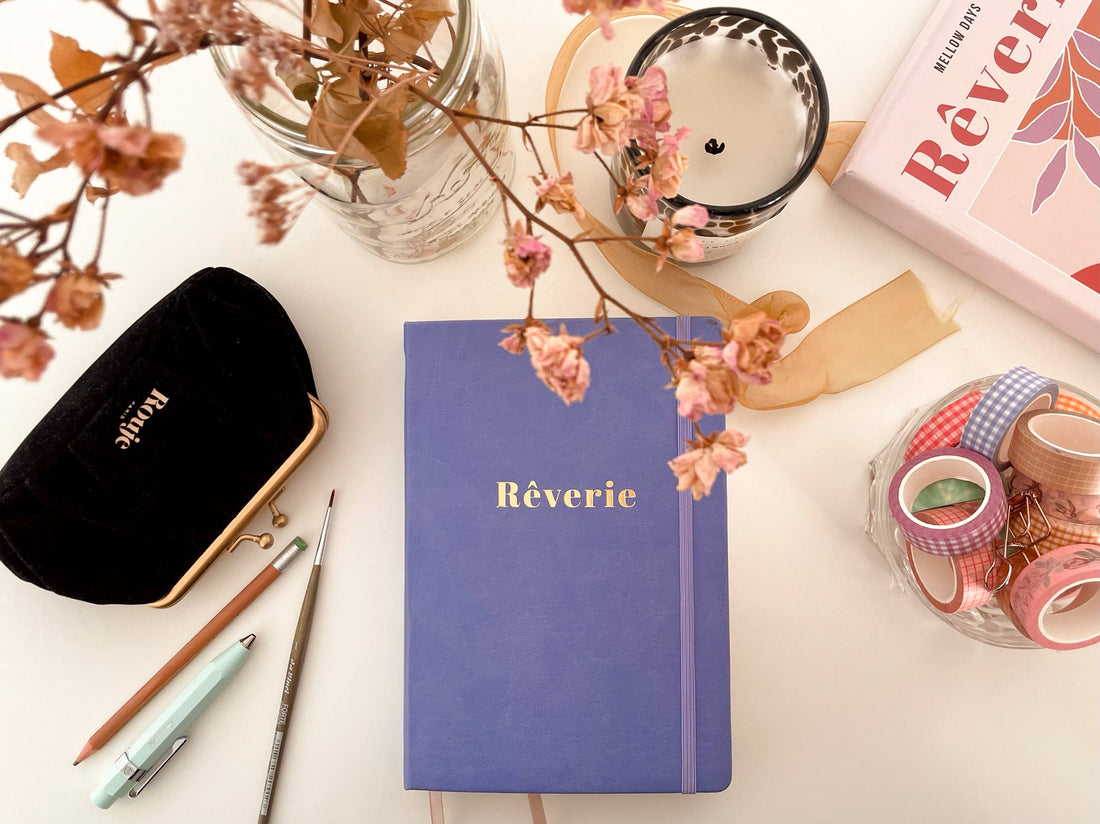
What to Write in Your Diary: Creative Ideas and Simple Prompts
Are you thinking, "I want to start journaling," but feel unsure about exactly what to write?
We've gathered creative diary ideas and practical prompts to help you fill those blank pages with meaningful content. Journaling is wonderfully simple and accessible; anyone can begin diary writing with just a notebook and a pen.
Why keep a journal? Discover five compelling benefits that inspire consistent diary writing
Preserve memories and document your life story

Life is full of moments worth saving, from big celebrations to quiet, everyday joys. Putting your thoughts to paper transforms fleeting experiences into permanent records you can cherish forever. Jot down your main daily events to build a chronological archive of your personal journey.
Add tangible reminders like ticket stubs or dried flowers next to your writing to anchor your memories. Record sensory details like scents or textures to make your recollections vivid years later. Discover creative diary layout ideas that give your creative diary structure while allowing space for decoration.
Writing letters to your future self is a great way to capture current hopes for later reflection. A diary becomes a precious artifact that you can revisit or even pass down through generations.
Set goals, track habits, and organize your progress
A journal serves as a visual planning tool that slows your mind and clarifies your true intentions. Writing forces you to articulate what matters most, turning vague ideas into concrete steps for action.
Use symbols like circles for tasks or squares for events to organize your daily entries. Create habit trackers for reading or meditation to strengthen any routine you wish to build. Schedule reviews to check your progress and adjust your plans as needed.
Outline daily goals at the start of each entry and review them before going to bed. Design pages with sketches and milestones to visualize your long-term dreams. This systematic approach turns your notebook into a powerful command center for personal growth.
Practice self-therapy and reduce stress through reflection

Everyone needs a moment to simply pause and breathe. Writing freely in a diary releases tension and provides emotional processing when life feels overwhelming. Untangling your thoughts on paper creates distance from worries, offering clarity that thinking alone cannot provide.
Write nightly reflections to process your emotions before you go to sleep. You might use color-coded grids to track your feelings and spot emotional patterns over time. Free-writing for five minutes without editing can help uncover hidden feelings beneath the surface.
Compose compassionate self-talk after facing challenges to build kindness toward yourself. Gratitude entries that list three positives from today can significantly boost your mood and reduce stress. Consistent journaling lowers overall anxiety by giving your concerns a safe container.
Explore inspiring diary prompts and start writing today with practical suggestions and tips that make beginning easier. These diary ideas will help you overcome any initial hesitation.
Develop creativity and refine artistic expression
Regular writing improves penmanship while actively strengthening creative thinking. In our digital-dominated world, picking up a pen provides a tactile break from screens and keyboards.
When approaching journaling creatively, your diary transforms into a canvas for artistic growth. Incorporate doodles, quick sketches, or watercolor washes to capture daily moods. Experiment with "color-of-the-day" themes or washi-tape borders to add visual variety to your pages.
Create themed spreads featuring collections of favorite things, travel memories, or inspiring quotes. Enhance these with ephemera like receipts, stickers, or pressed flowers alongside your text. Try word-association exercises to spark fresh ideas. Mix media using decorative washi tape, artistic sticker sheets, and premium journals specifically designed for creative expression.
Experimenting with various layouts, color palettes, and decorative touches elevates simple note-taking into rich artistic practice. This approach helps develop multiple creative skills simultaneously.
Cultivate a rewarding daily habit and moment of self-care

Daily journaling evolves into a quiet ritual that anchors your routine. This reflective practice becomes a sacred pause in busy days, offering dedicated moments for yourself, free from external demands or digital noise.
Begin by selecting a notebook that genuinely excites you; our Reverie collection features 160GSM watercolor paper perfect for writing, sketching, and mixed media work. Establish automatic behavior by setting specific daily or weekly time slots for your practice.
Start with simple prompts to reduce intimidation. Write freely without worrying about grammar or spelling to maintain natural thought flow. Celebrating small wins after each session strengthens commitment and builds lasting momentum over time.
Depending on desired elaboration, you might spend minutes or hours creating meaningful spreads. This flexibility allows journaling to fit any schedule while providing consistent personal benefits.
Practical Diary Ideas to Fill Your Pages with Meaningful Content
Daily Prompts That Spark Reflection and Self-Discovery
Sometimes, the biggest hurdle is simply getting started. Using daily writing prompts provides an instant structure that banishes the blank-page jitters and directs your thoughts productively.
- What brought me joy today? This simple inquiry encourages you to actively recognize and cherish positive moments, helping your diary entry end on an uplifting note.
- What obstacle did I encounter and how did I handle it? Reflecting on daily challenges provides powerful insight into your resilience and unique approach to solving problems.
- What are three things I feel grateful for right now? This practice shifts your mindset from lack to abundance, documenting the small and large blessings in your life.
- What was my biggest lesson or 'aha'moment today? Recording these ideas transforms your experiences into a personal knowledge base for future growth.
- What is my most important intention for tomorrow? Ending with a forward-looking goal creates a sense of purpose and connects your daily progress.
Discover creative diary prompts and layout ideas based on research that illustrates how journalers merge aesthetic expression with profound self-discovery through diverse writing prompts and personal themes.
Creative Formats That Break Traditional Diary Entry Patterns
If writing in standard paragraphs begins to feel monotonous, try these inventive structures to inject new energy into your creative diary practice.
Letters to your future self are a wonderful way to capture your present-day thoughts and the wisdom you wish to carry forward. Remember to date these entries and set a reminder to open them later.
A written dialogue with your inner critic helps you externalize and examine negative thoughts. By framing it as a conversation, you can gain crucial psychological distance and untangle destructive thinking patterns.
Detailed sensory narratives ask you to recount your day using all five senses. This method crafts rich, vivid memories, making it especially effective for capturing the essence of travel experiences.
Transforming everyday moments into micro-stories sparks your imagination. Build a tiny plot with characters and a setting from your real life for a playful yet meaningful record of your day.
Curated lists and collections are perfect for low-motivation days. Jotting down things like your weekly achievements, moments of happiness, or future aspirations organizes your thoughts without the pressure of prose.
Thematic Weeks That Focus Attention on Specific Growth Areas

Committing to a single theme for a full week encourages deeper reflection, pushing past initial thoughts to uncover true insight. This approach provides helpful structure while offering variety within each daily topic.
Self-Care Week: Dedicate each day to a different aspect of wellness, perhaps physical health, emotional processing, social connections, creative expression, and mindful rest.
Values Clarification Week: Use daily questions like "When do I feel most like my true self?" to help identify the core principles that guide your most important decisions.
Relationship Appreciation Week: Take time to reflect on and write about the people who have positively influenced your journey and supported your growth.
Achievement Recognition Week: Make a conscious effort to document your wins, both big and small. Celebrating your progress is vital for maintaining momentum and recognizing how far you've come.
Rotating these diary ideas every few months keeps your journaling practice fresh and ensures you're nurturing all areas of your life.
Visual Elements That Enhance Engagement and Memory
Crafting a visually appealing journal layout can instantly ignite fresh diary ideas by providing both structure and creative freedom. Start by lightly sketching pencil lines to create columns, remembering to leave comfortable borders along the edges. Designate specific areas for your daily thoughts, reflections, and journaling questions while reserving other spaces for decorative elements like stickers, washi tape, or sketches. This balance between writing space and decoration creates pages that are both beautiful and practical, helping you develop a style that enhances your daily reflection practice.
Geometric frames for prompts serve as visual organizers that efficiently structure your pages. Drawing simple shapes like rectangles or circles around questions such as "Goal for tomorrow" creates clear focal points for your thoughts.
Mood meters featuring color-coded scales enable you to monitor emotional states throughout your days. You can easily review previous weeks to identify patterns connecting your feelings with specific events, sleep quality, or other contributing factors.
Weather icons and date stamps create consistent headers that make navigating through your notebook archives simpler. These small visual elements often trigger powerful memory recall when revisiting past entries.
Intentional blank spaces provide essential breathing room and accommodate spontaneous doodles that emerge during writing. Maintaining clear margins prevents pages from feeling cluttered and overwhelming when reading later.
Consistent color palettes paired with delicate hand-drawn dividers establish visual harmony across your journal spreads. Limiting decorations to one element per section maintains the perfect balance between aesthetics and functionality.
We offer beautifully hand-illustrated sticker sheets and decorative washi tape specifically designed to elevate your journal pages without overshadowing your written content.
Establishing Your Journaling Routine: Practical Tips for Long-Term Success
Lower Barriers to Entry with Smart Material Choices
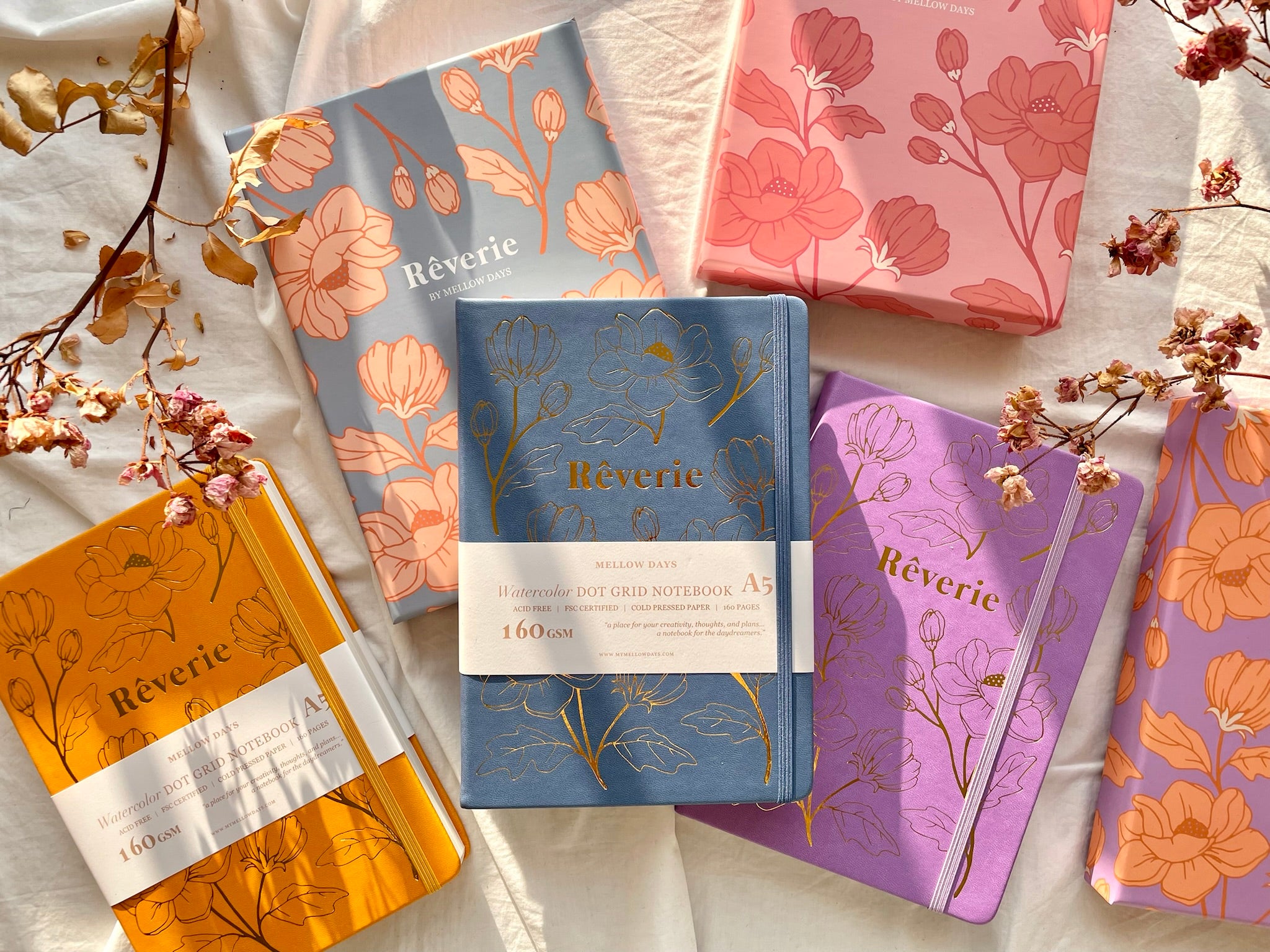
The right tools make starting easier. Select a notebook that genuinely inspires you, as the size, paper quality, and cover design significantly influence your motivation to write consistently.
Our Reverie collection features premium 160GSM watercolor paper that comfortably handles fountain pens, markers, and collage materials without bleed-through. The tactile experience of high-quality paper transforms writing from a task into genuine pleasure.
Keep your journal and favorite pens in a visible, easily accessible location. Storing materials in drawers creates unnecessary friction, while leaving them on your nightstand or desk removes that initial barrier to daily journaling.
Build Consistency Through Strategic Scheduling
Choose a specific time that aligns with your natural daily rhythm. Morning pages work wonderfully for capturing dreams and setting daily intentions. Evening entries help process the day's events before sleep, preventing rumination from disturbing your rest.
Anchor journaling to existing habits: Try writing while enjoying morning coffee, during your lunch break, or immediately upon arriving home. This habit stacking technique leverages established routines to successfully build new behaviors.
Begin with a frequency that feels genuinely achievable. While daily writing sounds ideal, it often creates pressure that derails beginners. Aiming for three sessions weekly builds consistency without overwhelming your schedule.
Notice how you feel after each entry to positively reinforce the habit. This meta-reflection highlights journaling's benefits and strengthens your commitment during particularly busy periods.
Release Perfectionism and Embrace Imperfect Progress
Write without concern for grammar, spelling, or perfect coherence. Your diary serves only you, and no external critic will ever evaluate these pages. Perfectionism destroys momentum faster than any other obstacle in journaling.
Accept that some entries will feel profound while others might seem ordinary. The consistent practice itself matters far more than any individual output. Even "boring" entries contribute to your progress and preserve everyday moments that gain significance over time.
Skip days without guilt. Life happens. Instead of abandoning your practice after breaking a streak, simply resume writing the next time you have a moment.
If a blank page feels intimidating, start with simple templates like the date, weather, or your top highlights. This structure provides immediate direction and adapts naturally as your daily needs and goals evolve.
Engage with community for inspiration and accountability

Recent studies on analog journaling show that diary content is shaped by your materials, context, and community. Journalers find inspiration in tools they love and online platforms offering diverse layout ideas or questions.
Over time, people develop personal themes like gratitude lists, travel reflections, habit tracking, and mental health check-ins. These suggestions are often adapted from peers or discovered through popular hashtags, blending aesthetic expression with meaningful thoughts.
Try sharing a daily prompt with a friend or group, then compare your answers for fun. You could collaborate on a joint tracker to foster accountability or post doodles for feedback and new perspectives.
Organize monthly sessions with peers to discuss favorite entries, reflections, and any challenges you faced. Shared initiatives, like 30-day challenges, are great ways to maintain motivation through collective participation.
If you are looking for more diary ideas, you can follow me on Instagram for regular creative prompts and layout suggestions from our community.
Frequently Asked Questions
What should I write in my diary when I don't know where to start?
Start with simple prompts that need minimal effort, like listing three specific things you feel gratitude for today. Asking "What made me smile?" lowers the barrier to entry and helps generate content naturally.
Alternatively, describe your day using sensory details, focusing on what you saw, heard, or touched. This approach creates vivid entries without demanding deep reflection, helping you build the habit before tackling complex topics.
How can I make a quick 5-minute journal that fits my busy schedule?
Design a streamlined template with three sections: one gratitude item, a daily highlight, and an intention for tomorrow. Writing just one sentence per section takes under five minutes but still provides meaningful reflection.
Use bullet points instead of paragraphs to save time, and add a quick mood rating or weather icon. Keep your journal accessible to capture thoughts during natural pauses rather than needing a dedicated session.
What are good topics for a personal diary beyond daily events?
Kick off your journaling with thoughtful questions that encourage self-discovery, such as identifying your core values or recognizing moments when your daily life feels truly authentic. Jotting down these reflections promotes continuous growth and helps uncover why certain experiences impact you more profoundly than you initially thought.
Document your achievements and the challenges you overcame, highlighting the strengths you discovered within yourself and the support systems that were crucial for each accomplishment. Enhance these entries by writing encouraging letters to your future self, setting clear and inspiring goals, and engaging in a dialogue with your inner critic to counteract negativity and pinpoint practical steps forward.
Craft a vivid description of your ideal day, detailing the environment, emotions, and interactions that consistently spark joy and motivation. Return to this vision regularly to track your progress, refine your priorities, and acknowledge the small but meaningful changes that are gradually aligning your reality with your dreams.